Combining aluminium cladding
- Back to the overview
- 12/06/2026
Aluminum cladding is rarely used as the sole facade material. It is precisely when combined with other materials that its aesthetic appeal really shines.
Cladding bricks, stucco, concrete, or wood: virtually any combination can work when materials, colors, and volumes are well-coordinated. Moreover, the result doesn’t always have to be minimalist. Some projects deliberately opt for contrast, while others radiate calm and unity. So the question isn’t so much whether aluminum cladding can be combined with other materials, but rather how to find the right balance.
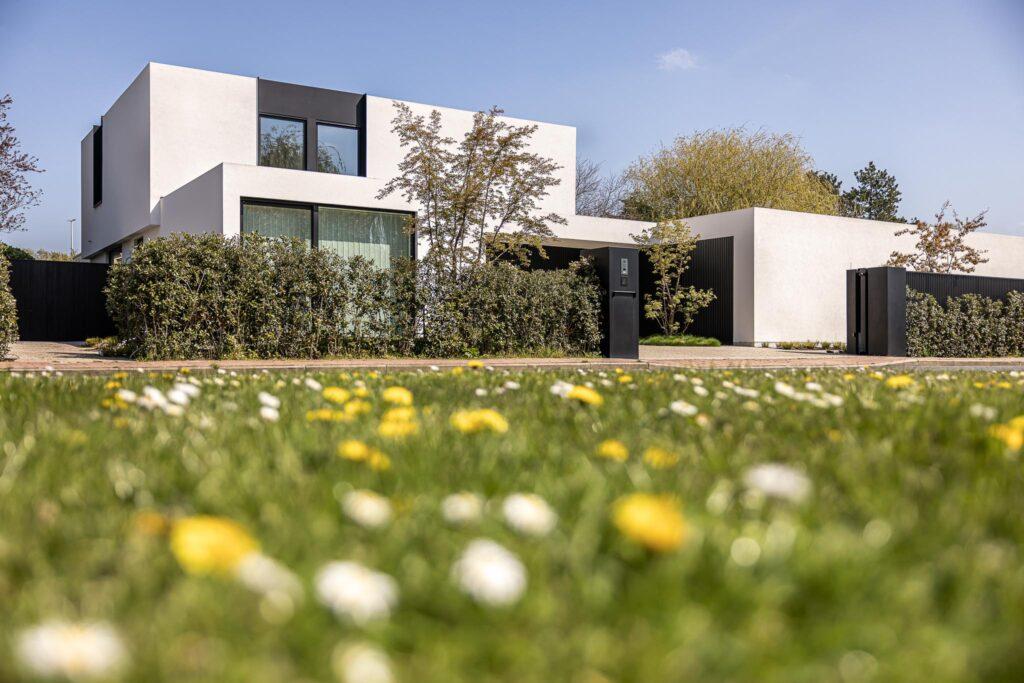
Aluminium cladding and concrete
In modern architecture, concrete is a natural partner for aluminium cladding.
Both materials share a neutral, contemporary look and enhance each other without competing. Particularly in large-scale residential buildings, this combination creates a powerful identity that immediately catches the eye without being overbearing.
Dark aluminium tones create a striking contrast with light concrete and give a building a sculptural character. Warmer colours, on the other hand, bring more softness to the overall look and temper the industrial atmosphere that rough concrete façades sometimes exude.
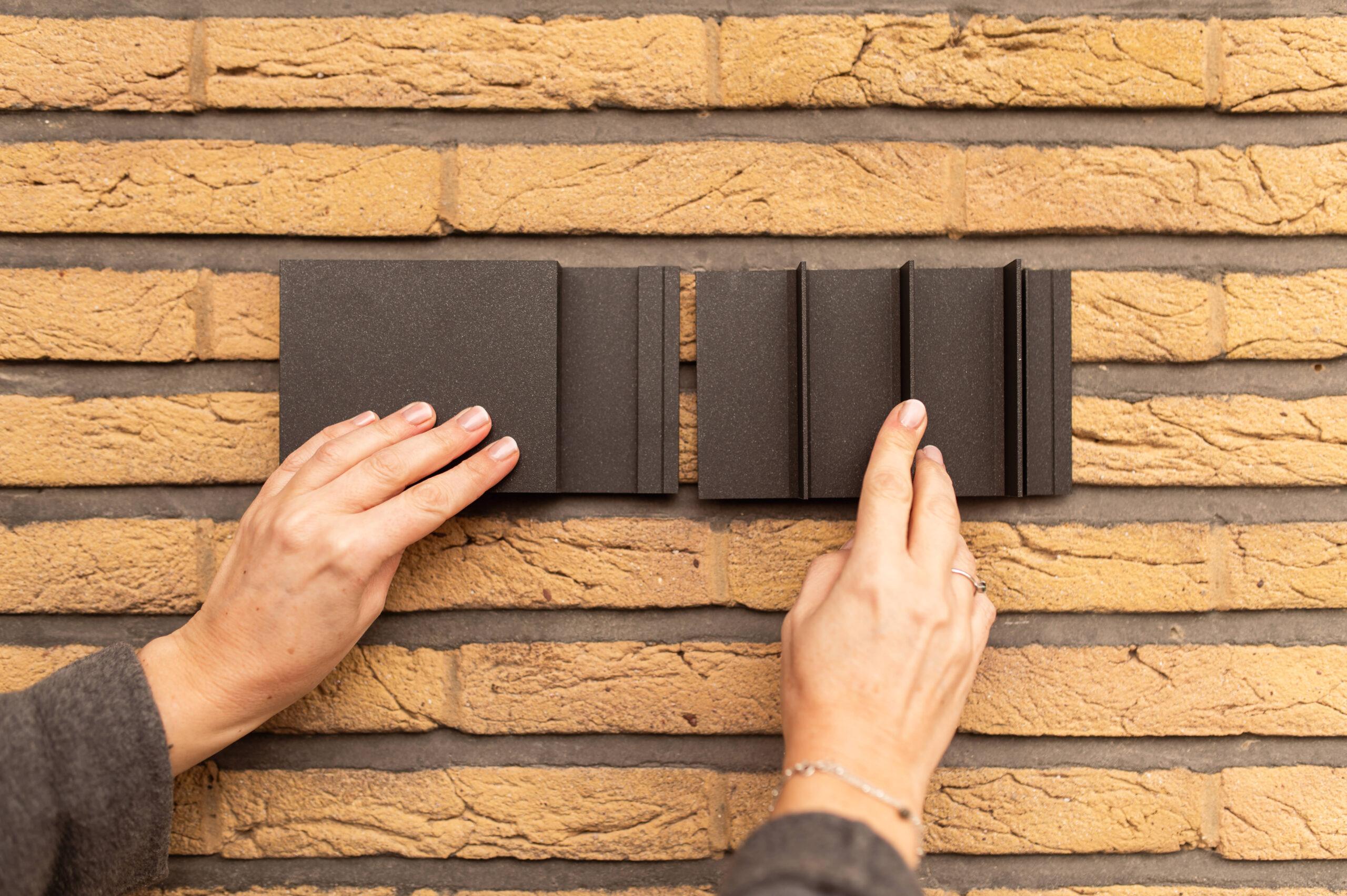
Aluminium cladding and facing bricks
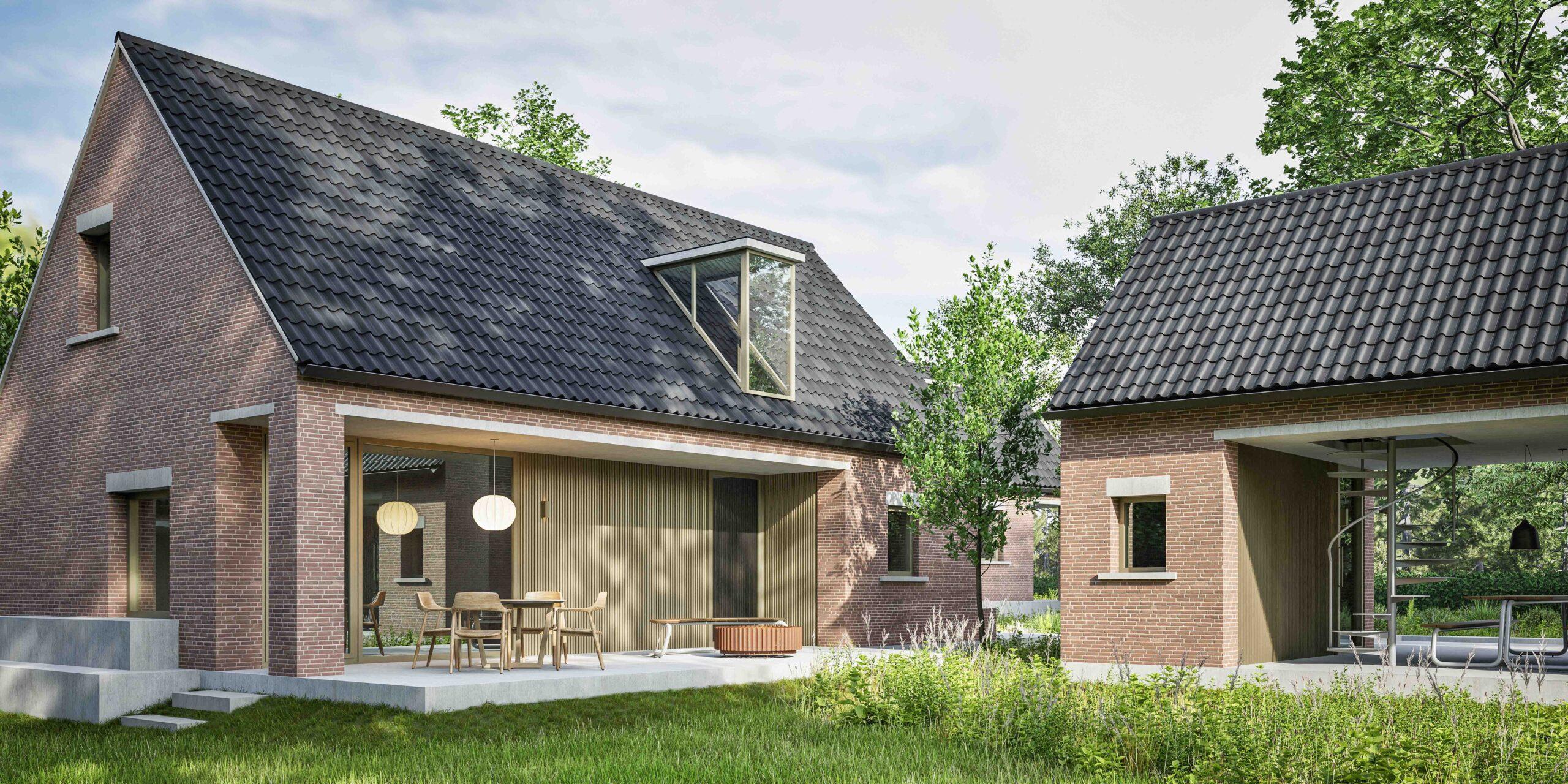
The combination of aluminium cladding with facing bricks remains one of the most popular choices in both new-build and renovation projects — and for good reason.
Where facing bricks provide warmth, texture and a familiar look, aluminium brings clean lines and a contemporary accent. This creates a beautiful balance between the traditional and the contemporary.
In terms of colour, the possibilities are wide-ranging: light-coloured facing bricks allow dark aluminium accents to stand out, whilst dark-coloured facing bricks go perfectly with more subtle aluminium shades. But tone-on-tone combinations — where the colours of both are close to one another — can also be surprisingly striking.
The greatest advantage of this combination? There is rarely just one right choice. Both striking contrasts and soft transitions can produce a strong result, depending on the architectural context.
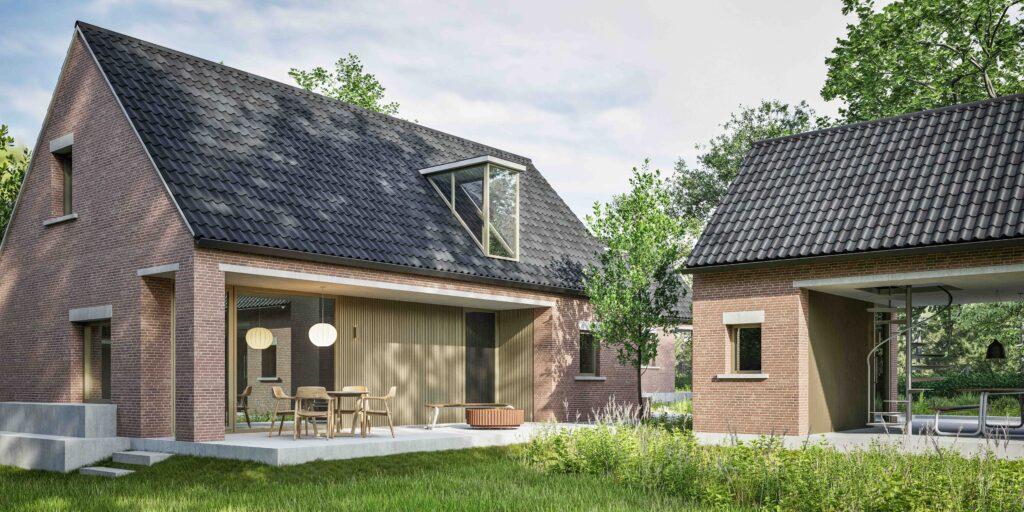
Aluminium cladding and wood
Those seeking greater contrast and character often opt for a combination of aluminium cladding and wood.
The natural look of wood brings warmth and authenticity, whilst aluminium ensures durability and clean lines. The result is a façade that feels both modern and inviting: two qualities that are not always easy to combine.
Here too, there are no fixed rules. Some projects opt for a striking contrast between dark aluminium and light wood, whilst others work with natural tones that blend harmoniously. Both approaches can work; the choice depends on the surroundings, the building’s scale and the desired aesthetic.
Aluminium cladding and plaster
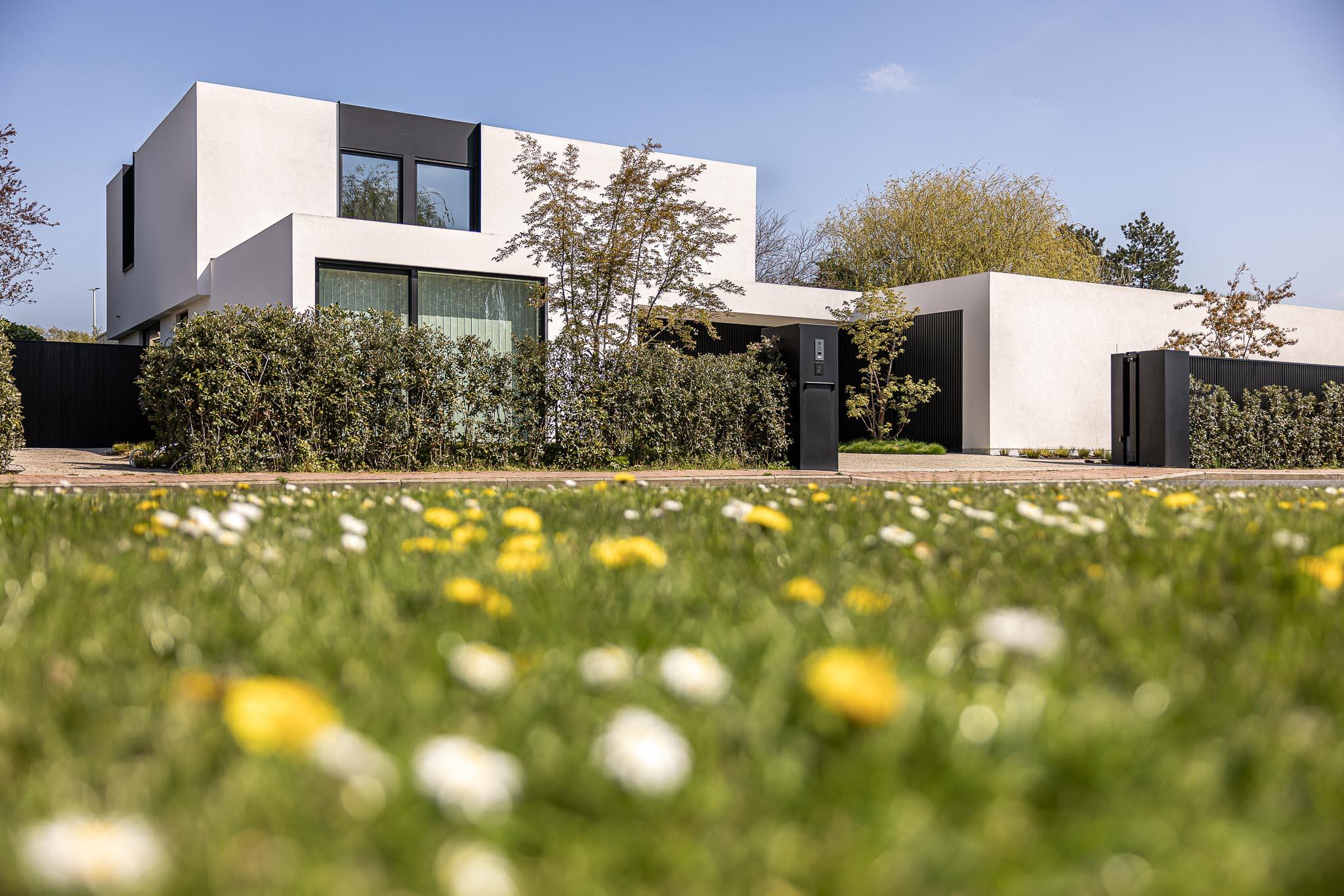
Plasterwork and aluminium cladding also form a popular and versatile combination.
The neutral character of both materials creates a calm, balanced façade, whilst differences in colour can add just the right amount of dynamism. White, beige or light grey renders are often combined with dark aluminium accents around entrances, extensions or façade surfaces between windows.
It is precisely against the calm backdrop of render that aluminium cladding really comes into its own. The neutral render allows the material to breathe and ensures that even a small aluminium surface immediately catches the eye.
Which colour of aluminium cladding should you choose?
The choice of colour is just as important as the choice of material.
RAL colours, and in particular black aluminium cladding, remain a popular choice because they can be effortlessly combined with virtually any cladding material. But aluminium offers more design freedom than is often realised.
With unique powder-coated finishes such as an anodised look or a Corten steel look, you can tailor the façade perfectly to the desired aesthetic — from industrial to warm and organic. That is precisely why there is no universal formula for success. What works for a modern villa does not necessarily work for a country home (and vice versa).
The best combination? The one that suits the design
Aluminium cladding combines surprisingly easily with facing brick, concrete, render and timber. The success lies not in any one specific combination, but in the way materials, volumes and colours reinforce one another.
This allows for both subtle and striking contrasts. With aluminium cladding, you as an architect have the freedom to create a façade that fully aligns with your architectural vision — regardless of the scale or style of the project.
Frequently asked questions about combining aluminium cladding
Can aluminium cladding be combined with facing bricks? Yes, this is actually one of the most common combinations. Facing bricks add warmth and texture, whilst aluminium provides a contemporary touch. Both contrasting and tone-on-tone schemes work well, depending on the project.
Which colour of aluminium goes best with light-coloured cladding bricks? Dark aluminium shades — such as anthracite or matt black — make a strong statement alongside light-coloured cladding bricks. However, warmer shades or Corten steel finishes can also create a beautiful interplay.
Is it possible to combine aluminium cladding in renovation projects? Absolutely. Aluminium is lightweight and can be installed on existing façades, even in combination with retained facing bricks or render. This is one of the reasons why the material is so popular in renovation projects.
What finishes are available from Alinel? In addition to standard RAL colours, Alinel also offers special finishes such as Anodic and a Corten steel look. This allows every façade to have its own character, even with complex material combinations.
How do you avoid a combined façade looking cluttered or chaotic? The key is balance of volume: use aluminium cladding as an accent or frame, not as a filling element. Colour and texture contrasts are acceptable, but the volumes determine whether a façade feels calm or chaotic. A clear separation of materials — horizontally or vertically — helps greatly.
Aluminum cladding is rarely used as the sole facade material. It is precisely when combined with other materials that its aesthetic appeal really shines.
Cladding bricks, stucco, concrete, or wood: virtually any combination can work when materials, colors, and volumes are well-coordinated. Moreover, the result doesn’t always have to be minimalist. Some projects deliberately opt for contrast, while others radiate calm and unity. So the question isn’t so much whether aluminum cladding can be combined with other materials, but rather how to find the right balance.